A prototype that shows how your solution will look and work, built on your files or on sample data.
It isn’t a slide deck – it’s something your team can click through and show internal stakeholders before deciding on development.


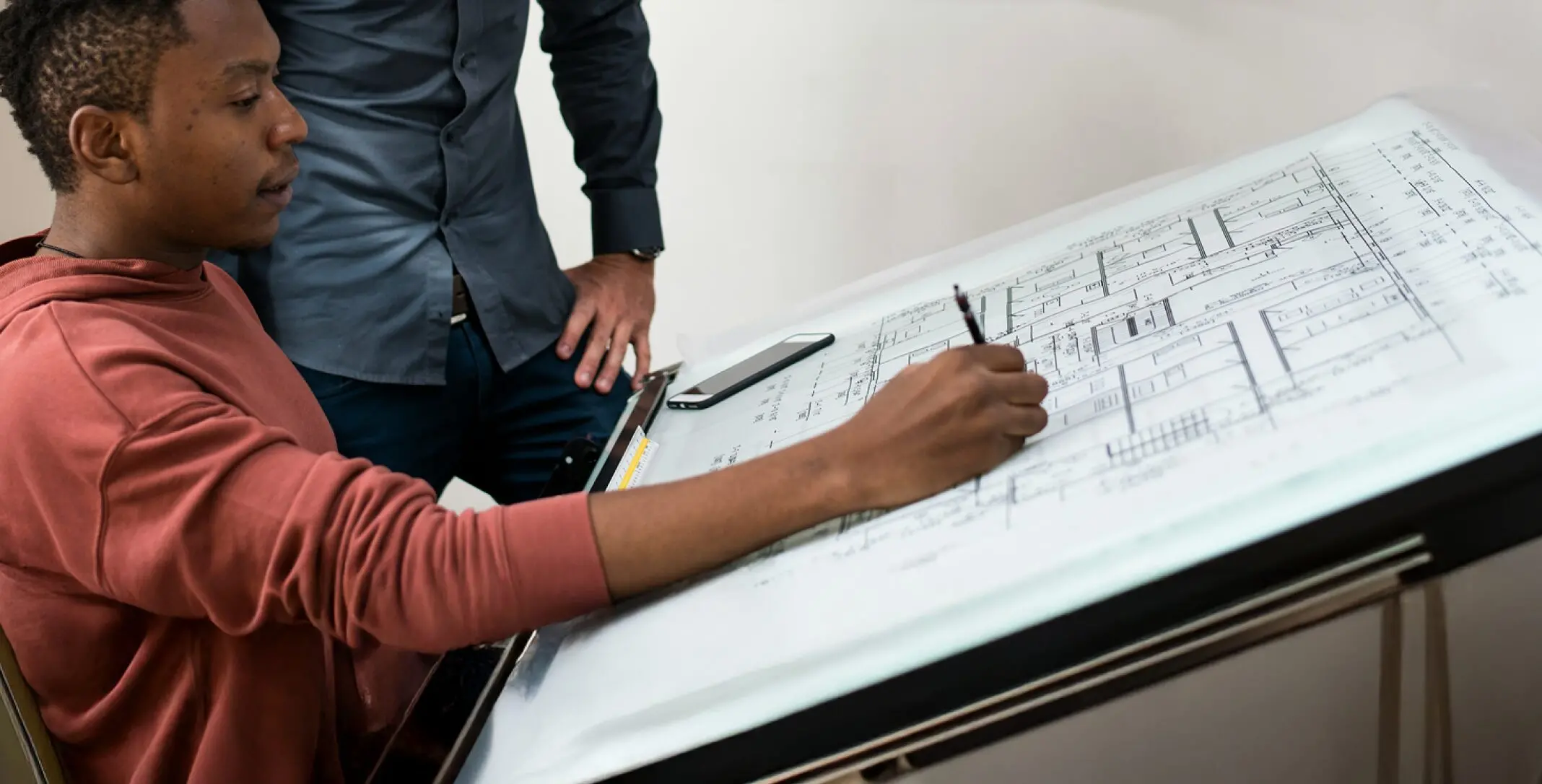






Demos and benchmarks rarely match real production data. A prototype can run on your actual files – drawings, PDFs, contracts, whatever you handle daily.
You tried existing solutions. They worked on demos but broke on your documents. A prototype shows what a custom solution would look like before you pay for one.
Custom workflows mean custom risk. Better to see the edge cases in a week than months into development.
Hard to greenlight a six-figure build on a slide deck. A prototype they can click through turns the conversation from “if” to “how big”.
Most AI projects fail on data quality, not algorithms. A prototype shows this in a week, not after a six-figure spend.
The first design choices – data pipeline, model type, integration approach – determine cost and speed at scale. Hard to fix later. Cheap to fix now.
Most demos run on cherry-picked data. A prototype built for your workflow shows what’s actually possible vs. what’s marketing.
Seeing the screens early lets the people who will use it say what’s missing before anything is built.
Without a prototype, estimates are guesses. With one, everyone agrees on what is being built before development starts.
A prototype shows whether a $20/month tool would do the job – or your workflow genuinely needs a custom build. Either answer saves money.
How it works
From the first call to a prototype you can click through.
Discovery call
Free prototype
Development
See how your AI solution will look and work before you commit to development.
Ideal for:
Team:
Deliverables:
A prototype that turns a floor plan image into room-by-room square footage, so sales reps can measure a property from their desk.
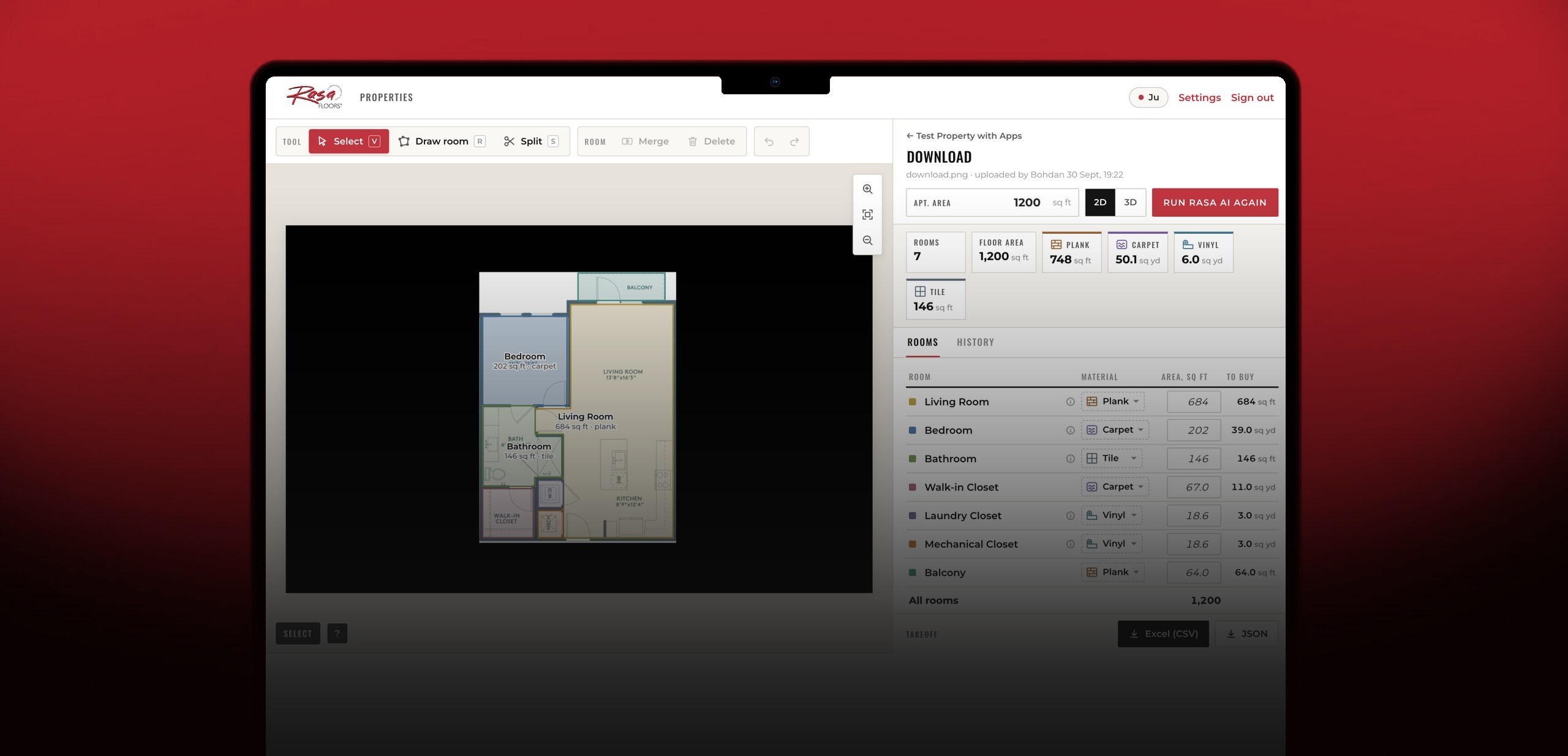
A working prototype that measures apartment floor plans room by room. Manual correction dropped from almost every plan to about one in three.
A prototype that shows how your solution will look and work, built on your files or on sample data.
It isn’t a slide deck – it’s something your team can click through and show internal stakeholders before deciding on development.
None is required. We can build the prototype on sample data, or on a few of your own files if you want to see it work on your real documents.
NDA before any access. Data stays in your environment when possible; when we need transfers, we use your secure channel of choice. Same protections we use on long-term builds for Stevens Industries and Internet Archive.
That’s still a useful answer. Better to find out in a week than months into development. Some prototypes end with “don’t build this” or “build a simpler version”.
You still walk away knowing what would need to change for AI to work – useful even if you go a different direction.
If you like the prototype, we go straight to development: a short proposal, a contract, and the same team builds the product.
Your idea and workflow
Sample files (optional)
A domain expert's time
Tell us a bit about your project or challenge, and we'll get back to you shortly.
Reach out directly
[email protected]